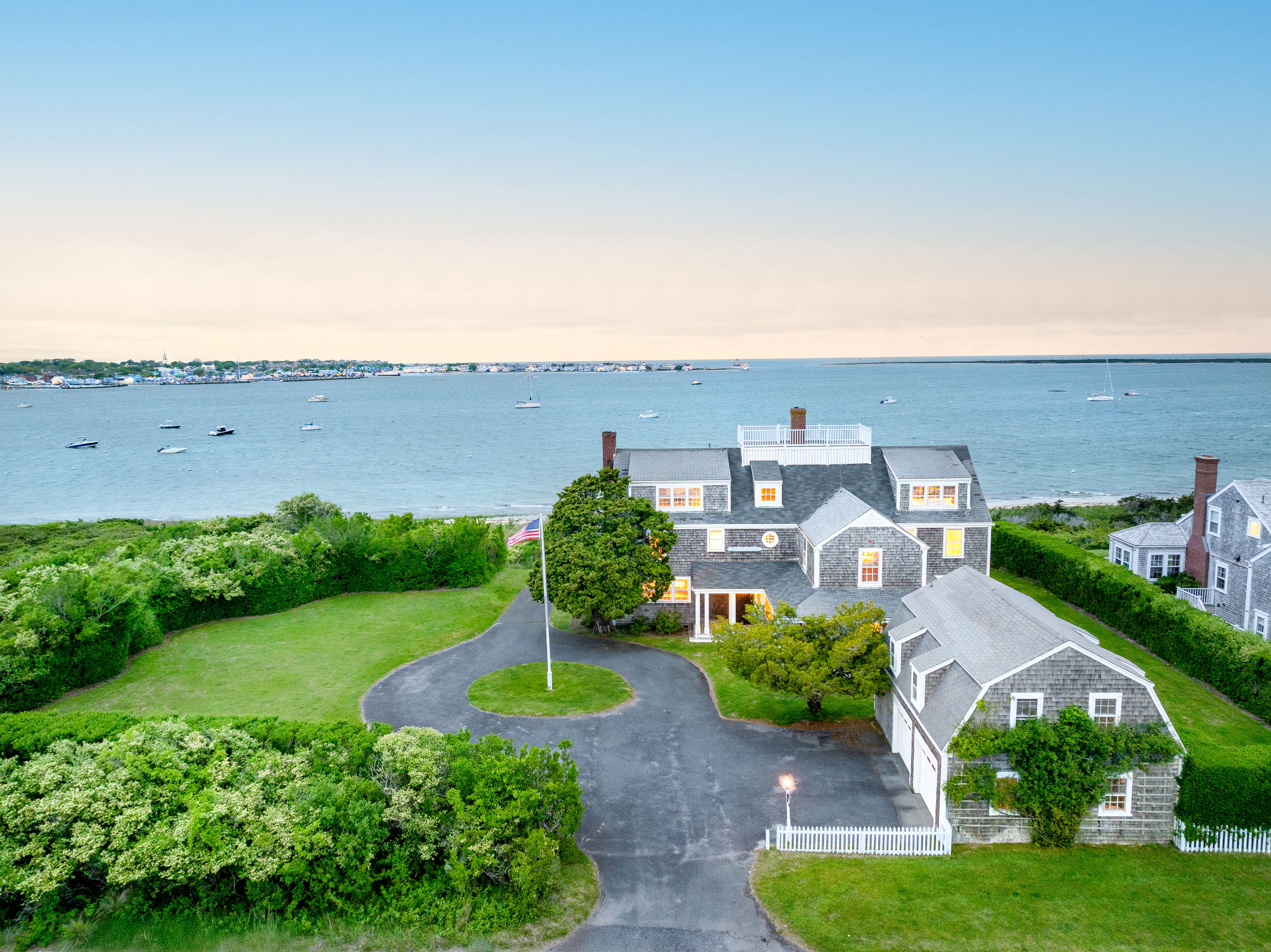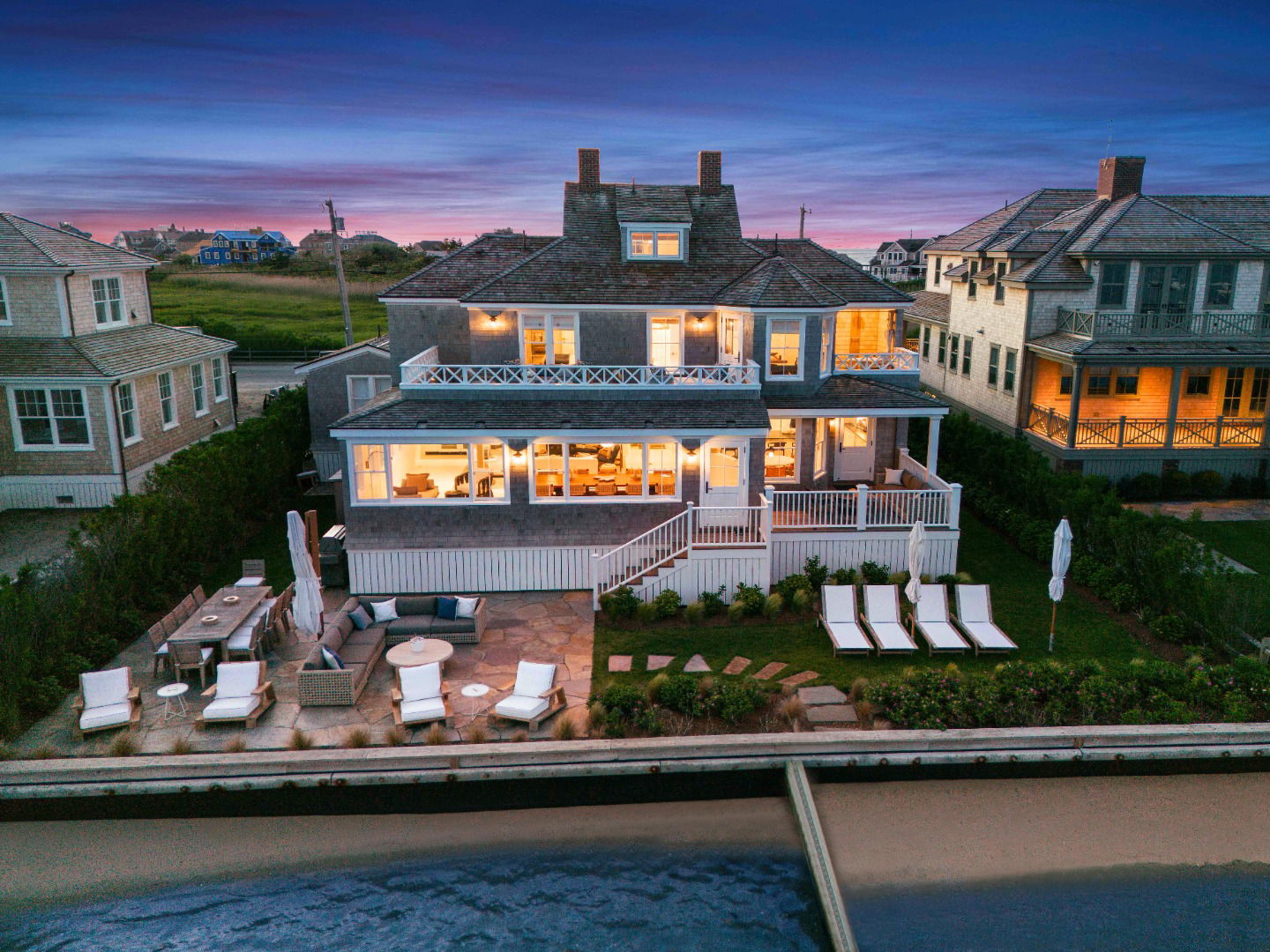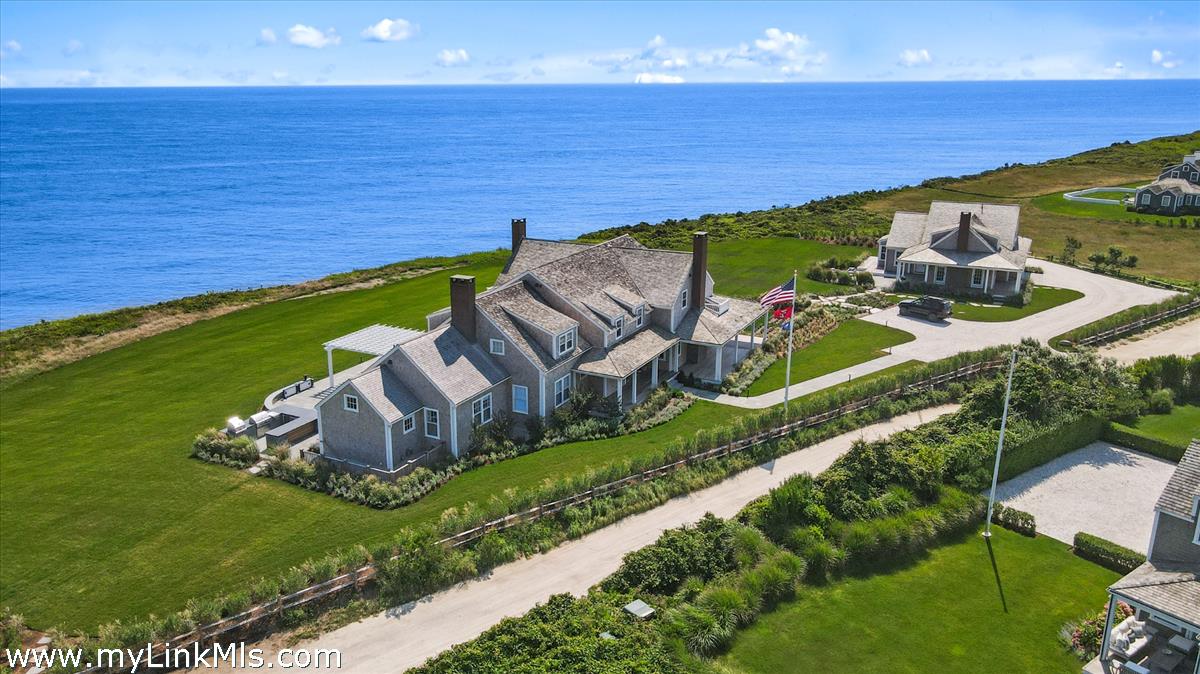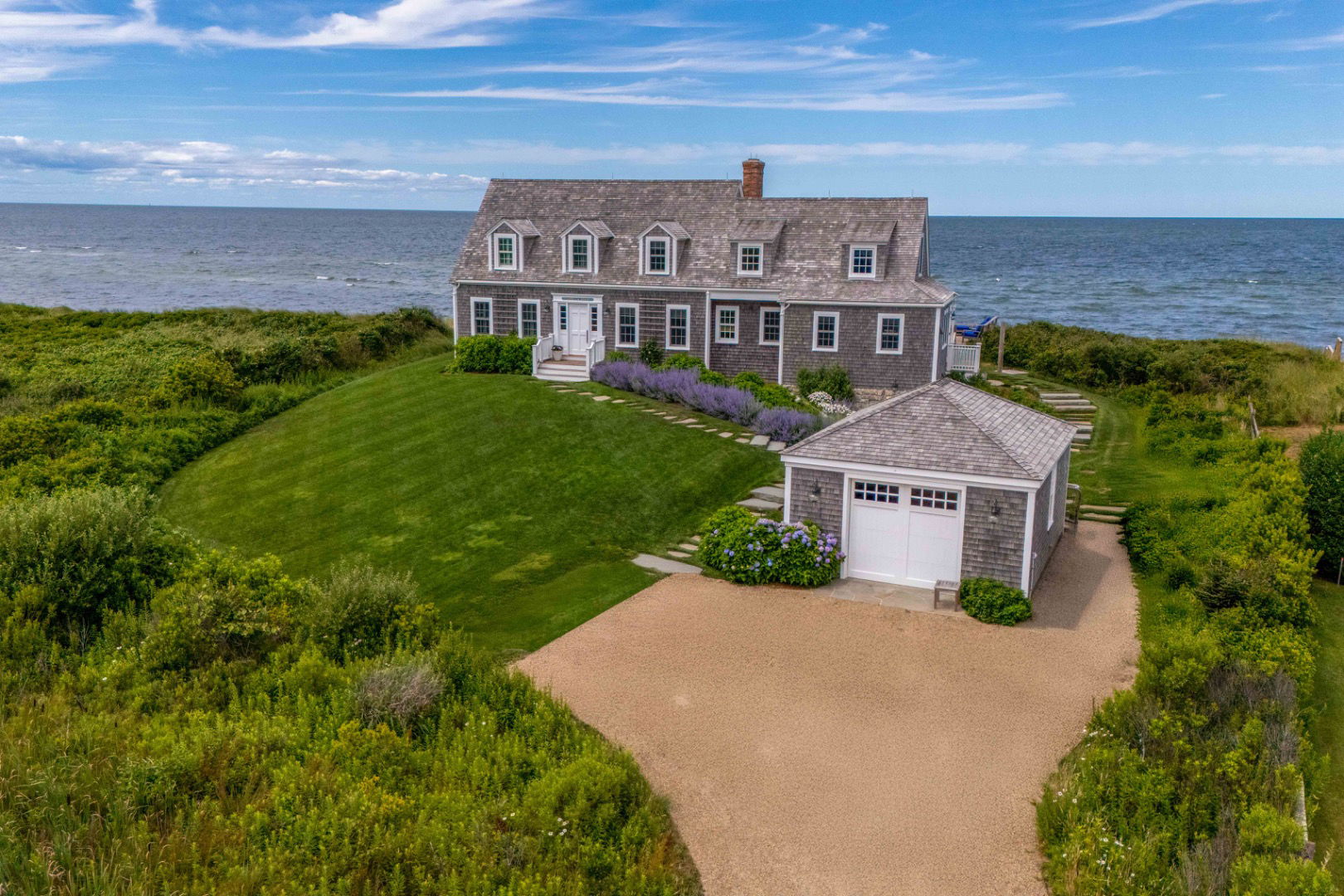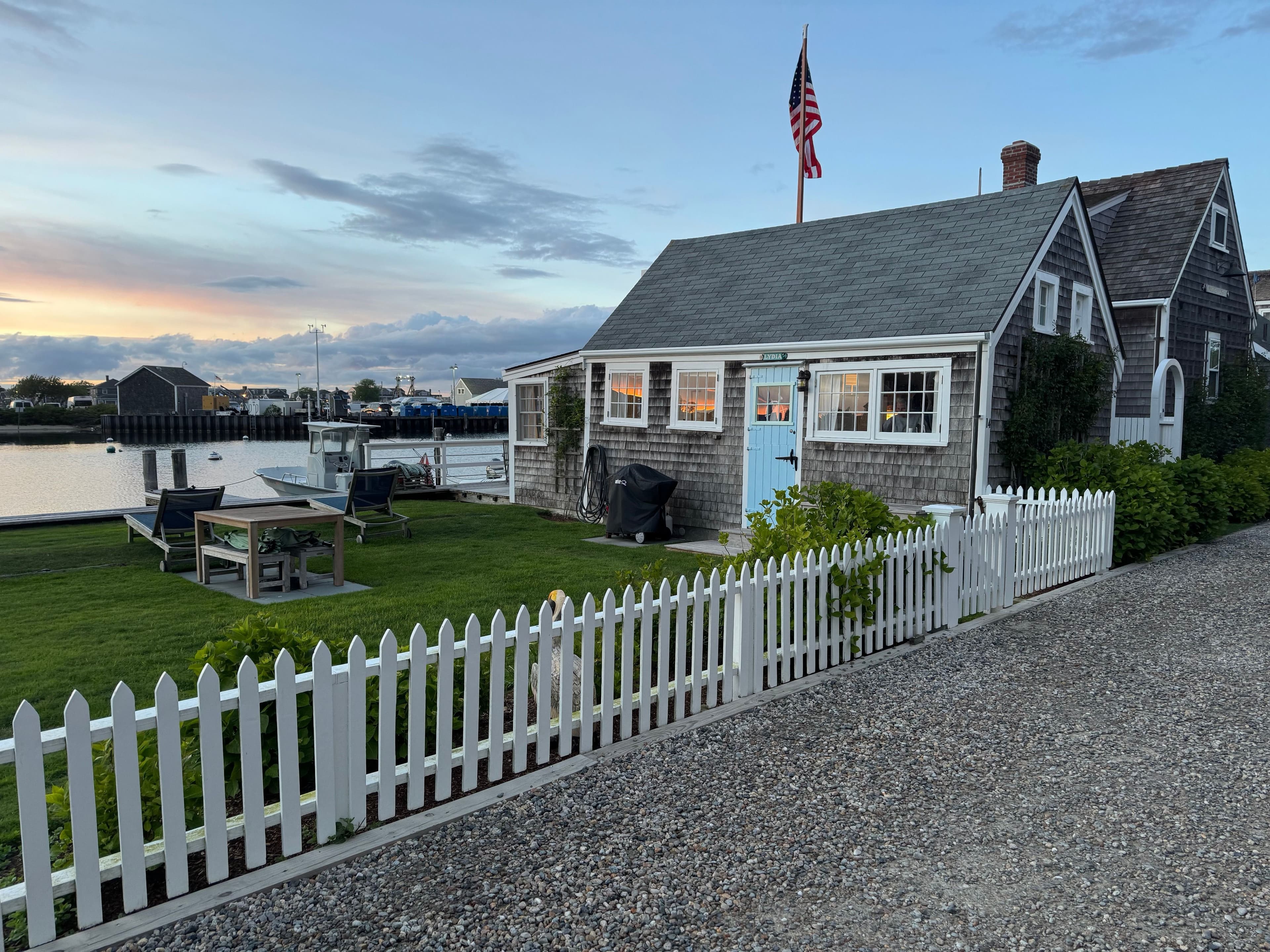
Buying a home on Nantucket starts with a clear, well-timed strategy. With limited inventory, the market moves quickly, shaped by coastal regulations and seasonal shifts. Buyers who secure financing early, define their priorities, and partner with a knowledgeable local agent can act decisively the moment the right property hits the market. Read on to learn what to expect throughout the Nantucket home-buying process.
1. When is the "best" time to buy on Nantucket?
Short answer: the “best” time is when the right house shows up and you’re ready to move. Spring (March–June) typically has more new listing inventory; late summer/fall, and once the rental season is over, can bring price adjustments; winter tends to be quieter with potential for off‑market opportunities. If a place checks most of your boxes, act decisively—inventory on island stays tight.
*Pro tip:* If you can visit in shoulder seasons, you’ll see neighborhoods in their everyday rhythm, not just summer‑holiday mode
2. How competitive is the market, really?
Homes in desirable price bands move quickly and multiple offers aren’t unusual. Pre‑approval and clean terms help. Cash is common at the ultra‑luxury end; well‑qualified financing wins every week below that.
*What helps:* Local lender relationships, fast scheduling for inspections, and clarity on your absolute “no‑go” items. The William Raveis Mortgage experts can help with all your financing needs.
3. Where should I focus?
This depends entirely on the type of neighborhood vibe you’re seeking. Dive deeper on each neighborhood in our Nantucket Neighborhoods page.
Homes in Town, Sconset and Brant Point are often favorites for renters, if you intend on making your home a short-term rental.
4. Cash or financing: What actually wins?
Both. Cash gets attention, but strong financed offers—paired with local lenders who know island appraisals and timelines—compete just fine. Expect Jumbo Loans on higher price points and a little extra time for specialized appraisals.
*Prep checklist:* Mortgage Pre‑approval, proof of funds, and a realistic closing window.
5. Will a vacation rental “pay for itself?”
Plan on offsetting costs, not profits. Homes with pools or amenities (hot tub, sport court), thoughtful design, and A+ locations command higher rates and repeat guest visits. Factor in management fees, turnover costs, and seasonal wear‑and‑tear. Some neighborhoods/HOAs set rental limits—know them before you offer.
*Pro tip:* Make sure you factor in all your management costs before buying.
6. What closing costs are unique to Nantucket?
- Nantucket Islands Land Bank fee: A one‑time 2% transfer fee typically paid by the Buyer; first‑time homebuyers may qualify for a significant exemption on the first tranche of the purchase price.
- Legal & title: It may be worth it to secure an island attorney since there’s history in these deeds.
- Inspections & surveys: Budget for general, pest, septic/Title 5 (if applicable), well testing (if applicable), and sometimes elevation certificates or shoreline/erosion assessments.
Our experts will outline exact figures for your price point before you sign a Purchase & Sale Agreement.
7. What inspections should I not skip on the island?
- Septic / Title 5: Capacity is tied to *bedroom count*; additions may require a system upgrade.
- Private well: If the property uses a well, plan for required testing (including PFAS) and review results.
- Historic fabric: If it’s in the Historic District, bring an inspector familiar with timber frames, sash, and foundations.
- Flood & erosion: Verify FEMA flood zones, elevation, and any coastal bank considerations.
- Lead paint (pre‑1978), radon, and mold/moisture: Common sense on the coast.
8. Can I renovate… add a pool… change windows?
Exterior changes anywhere in the island’s Historic District require approval from the Historic District Commission (HDC)—think windows, roofing, siding, decks, trim, and new structures (including many pools). Near wetlands or the coast, the Conservation Commission regulations overlay additional buffers and design constraints. Translation: it’s all doable with the right plan, but approvals and sequencing matter. Build that timeline into your offer strategy.
9. What about short‑term rentals—are they allowed?
Short‑term rentals operate on island, but you’ll need to follow the current registration rules and any neighborhood/HOA restrictions. The policy environment evolves, so your purchase plan should bake in compliance (and contingencies if rules tighten). Our William Raveis agents will confirm the property’s status and path to registration during diligence.
10. How are property taxes calculated here?
Nantucket uses a single residential rate per \$1,000 of assessed value, adjusted annually. Many year‑round homeowners also qualify for a residential exemption, which can reduce the tax bill for a primary residence. We’ll run the math for your target homes using the current year’s rate and any exemptions you might claim.
11. What ongoing costs should I plan for?
Insurance (especially for waterfront or wind/flood exposure), utilities, landscape and hardscape care, pool and irrigation service (if applicable), and property management if you won’t be on island full‑time. Seasonal winterization protects plumbing and finishes; line‑item it if the home will sit vacant.
12. How long does the buying process take?
Well‑prepared buyers can close in 30–60 days, longer if you’re financing complex renovations or navigating layered approvals. Expect a fast offer window, a crisp inspection period, and attorney review that leaves nothing to chance.
If you’re thinking about buying on Nantucket—whether it’s a legacy beach house, a year‑round retreat, or a rental investment—reach out to the William Raveis team. We’ll partner with you to help:
- Spot the right homes before they’re swarmed with offers.
- Navigate permits and approvals without drama or delay.
- Model taxes, insurance, and rental numbers so there are no surprises.